
TOWING AT SEA: TECHNIQUES FOR THE SAFE RECOVERY OF VESSELS

Every mariner may find themselves in the position of needing to tow or be towed. Whether due to a breakdown or lack of fuel, mastering these techniques protects both vessels and ensures operations without damage or unnecessary risks.
Equip your boat with a dedicated towline before facing emergencies. This line must offer high load capacity, inherent elasticity to absorb jerks in rough weather, and sufficient length to maintain safe separation without needing splices. Buoyancy is essential—whether through a naturally floating line or flotation devices at the end—to facilitate recovery in heavy seas.
ASSESSING CAPACITY AND CONDITIONS
A small vessel can assist a larger one during calm navigation and short trips to port. However, the sea changes rapidly. Never compromise your boat's power; an insufficiently powerful vessel will fail against the combined resistance of wind and dynamic forces. Additionally, assess your fuel reserves realistically—towing consumes significantly more fuel, and compounding problems benefits no one.
TOWING MANEUVERS
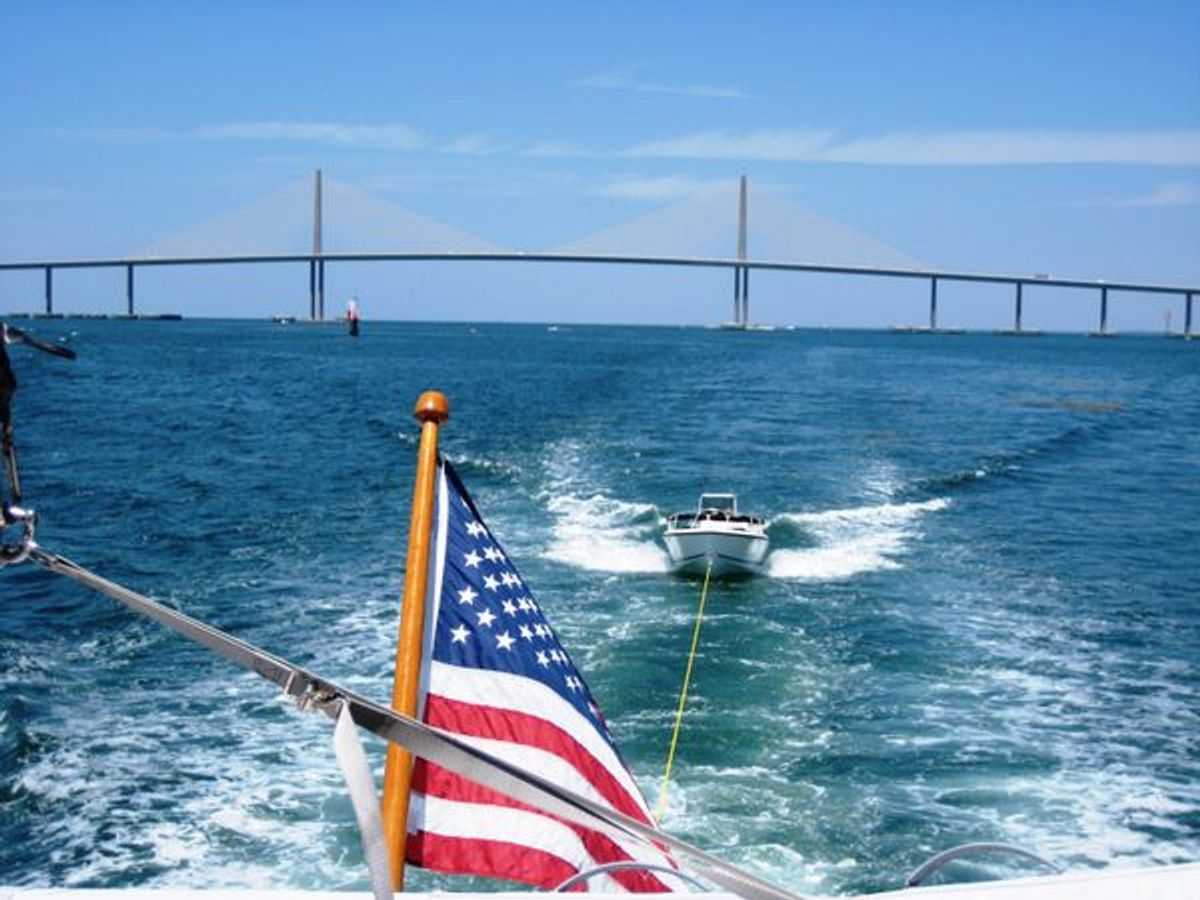
In favorable conditions, approach and deliver the towline directly. During rough weather, deploy the line with an attached floating buoy, allowing the disabled vessel to retrieve it without dangerous maneuvers that risk collision or damage.
ATTACHMENT POINTS: CRITICAL CONSIDERATIONS
Proper securing prevents catastrophic structural failures. On sailboats with keel-stepped masts, the base of the mast constitutes the strongest point; distribute loads using two mooring lines secured to the bow cleats. Never attach lines to deck-stepped masts, as shock loads can cause structural collapse. Likewise, avoid attaching lines to shrouds, stays, or anchor rollers; these components only support loads in specific directions.
In calm conditions, the winch drum constitutes a valid alternative when reinforced with two additional lines to each cleat using clove hitches with safety half-hitches.
SPECIALIZED RIGGING
The bridle system—a rope connecting both bow cleats across the stem—distributes force efficiently and is highly recommended. Powerboats benefit from this same configuration at the bow.
Single-cleat configurations require alternative solutions using side cleats or structural beams accessible from the hatch. On sport boats, never tow from the transom or waterski tow points; these lack sufficient reinforcement.
OPTIMAL TOWLINE LENGTH
The length of the line directly affects maneuverability. In calm coastal waters, maintain separation between 2 and 4 boat lengths. On the open sea, increase distance in anticipation of weather deterioration. In swell conditions, set separation so both boats align on crests or troughs simultaneously, avoiding violent jerks. Install a weight on the catenary—the sagging section of the line—to absorb and dampen surges.
INITIATING AND MANAGING THE TOW
Confirm readiness with raised arms and crossed wrists. Begin at minimum speed, gently taking up tension on the line. Increase speed only when the towed vessel aligns with your wake—this transition is critical. The sailboat's keel generates significant initial resistance; smooth acceleration allows it to adopt tow trim, substantially reducing friction. Assign crew to steer the towed vessel, keeping it aligned with your wake to minimize resistance.
Outboard engines on motorboats are raised to reduce underwater drag; inboard engines must be kept in neutral. Semi-displacement and planing hulls tow more easily than heavy displacement designs.
INERTIA AND APPROACH TO PORT
The towed vessel completely relinquishes maneuvering authority; control inertia with foresight and prudence. Approach port gradually, reading wind direction and allowing natural forces to assist braking when possible. Reduce speed progressively to dissipate inertia before arrival.
ALTERNATIVE METHOD: ALONGSIDE TOWING
Maneuvering a towed vessel in confined waters challenges even experienced captains. When viable, secure the vessel alongside with proper fender protection and a slight rudder angle. This method drastically restricts your own maneuverability—proceed with caution, especially with single engines.
SIGNALS BETWEEN TUG AND TOWED VESSEL
- Turn: Rotate hand clockwise.
- Slack off / Lower: Raise and lower hand.
- Stop: Raise hands with open palms.
- Make fast / Secure: Cross fists at wrist height.
#SafeTowing #MarineRecovery #NavigationTechniques