

THE SEDUCTION OF SAILING
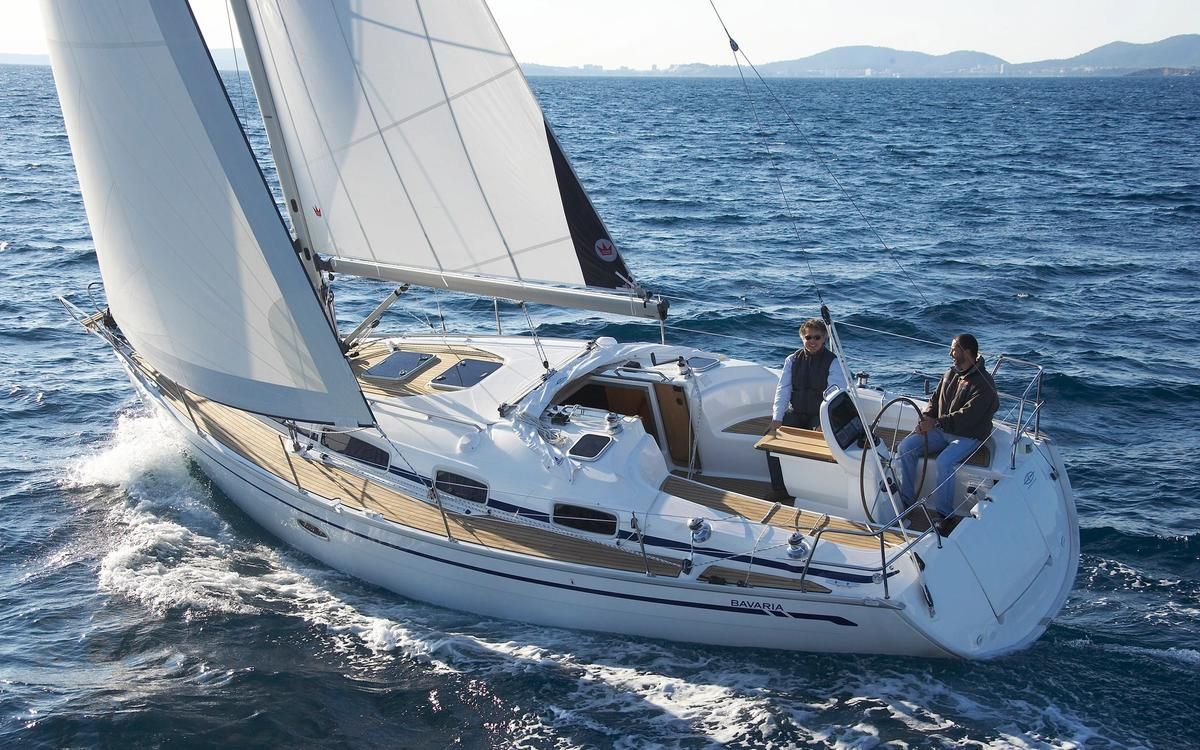
The day is sunny, a gentle breeze blows, a calm sea ripples, and you watch the sailboats gliding by and feel an urge to be out there, ready to take steps to make it happen; nothing in your mind sounds more like a siren's song, with its wicked intent.
Sailing is an ancient art of extraordinary complexity. Basically, it consists of navigating by aerodynamic propulsion—that is, through the force generated by the curvature the sail creates in the airflow. Until the middle of the last century, when the sailboat was the only existing means of maritime transport, it was primarily powered by the wind.
Paradoxically, just as this millenary mechanism was substantially improved with the introduction of the 'Marconi' rig—which allows the boat to be propelled at an angle into the wind, a principle used to build the swift clippers—the steam engine began to displace the sail.
Sailing, however, not only remained relevant, but due to various circumstances became even more popular—to such an extent that by the 1970s, there were more sailboats and a greater total gross tonnage under sail worldwide than before the engine began displacing it.
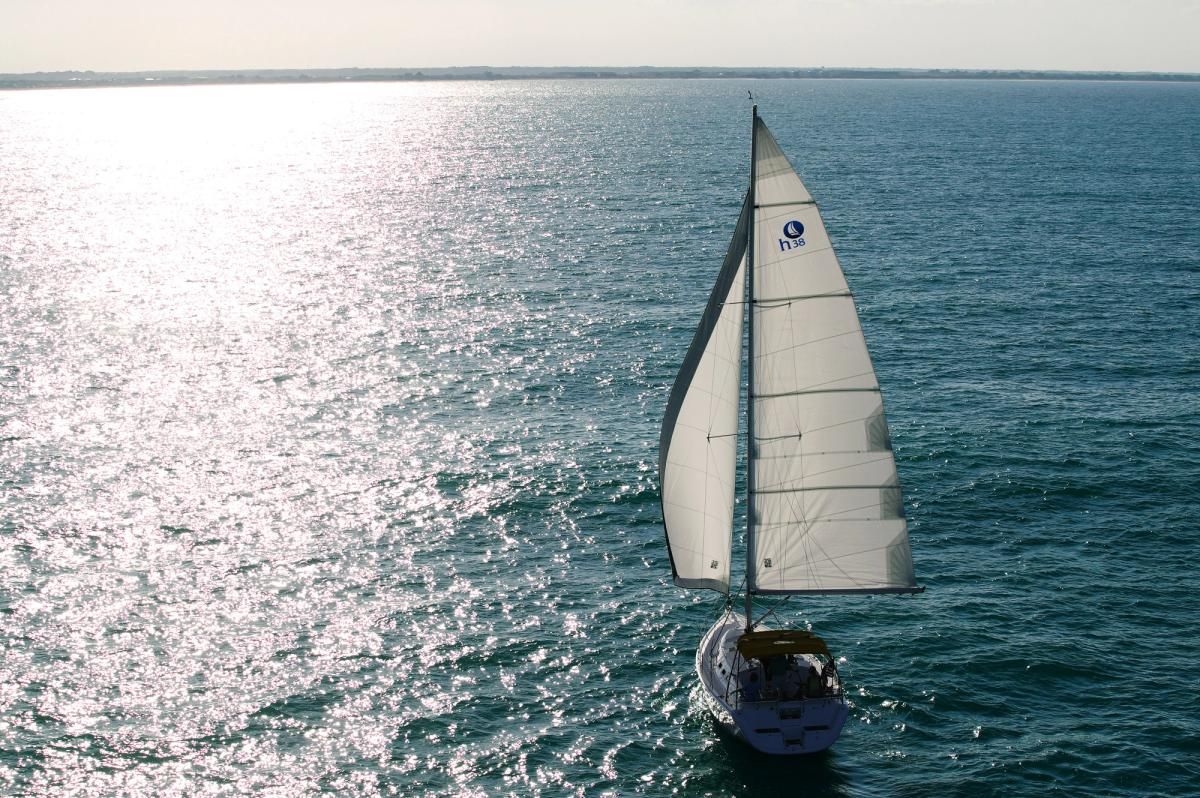
So why do we say that feeling drawn to this mode of locomotion is a siren's song? Why do people of all ages who practice the sport or art of sailing seem so happy doing so? Let us attempt to answer these questions while helping the reader make a well-considered decision about embarking, quite literally, on the fascinating adventure of sailing.
KNOWING THE ENVIRONMENT
First of all, the ocean is a wonderful, spectacular, and... hostile environment. Unless you grew up and matured on a boat, your natural habitat is land, and you are bound to feel uncomfortable, to say the least, on a moving, uneven, unpredictable surface that you cannot walk on.
To navigate this environment, the first thing you must do is get to know it as thoroughly as possible. For instance, do you know the difference between wind waves and swell or groundswell? Can you recognize different wave families? Unless your interest lies in non-competitive windsurfing, a lack of knowledge about the sea can lead to a deeply frustrating experience.
Secondly, a modern sailboat is a complex machine constructed from materials very different from those in, say, your car. These include anodized aluminum, stainless steel, fiberglass, nylon, polyester, Mylar, Kevlar, and Delrin.
Do you know how to work with fiberglass? Do you know how to crimp a terminal onto a wire rope? Do not fool yourself. The vast majority of maintenance and repair work on a sailboat must be done by you, and it is not a matter of money.
Thirdly, sailing must be pursued, at least in part, as a hobby—especially considering that much of the time you dedicate to your boat will be spent performing maintenance and repairs.
THE ULTIMATE TEST
If you want to familiarize yourself with the environment and its associated tasks—and at the same time discover whether your attraction to sailing is a passing whim or a true passion—the best and most economical approach is to reach out to a dedicated sailor: someone who keeps their vessel in prime condition, sails under any sea and wind conditions, and can take on at least one crew member (you).
Most, if not all, sailboat captains with crew are eager for hands to assist with the various tasks a boat demands.
On your first outing, you will know immediately whether the effort required to handle the vessel, the heel of the hull, the heat or cold, the complexity of the rigging, and the discomforts are tolerable for the sheer joy of sailing without noise, smoke, fumes, or vibrations. Even more, you will discover whether learning enough to travel from point A to point B or navigate a course intelligently using nature's energy presents a rewarding challenge for you.
#BenefitsOfSailing #SailingLifestyle