

LED LIGHTING: THE TECHNOLOGICAL REVOLUTION IN THE MARITIME SECTOR
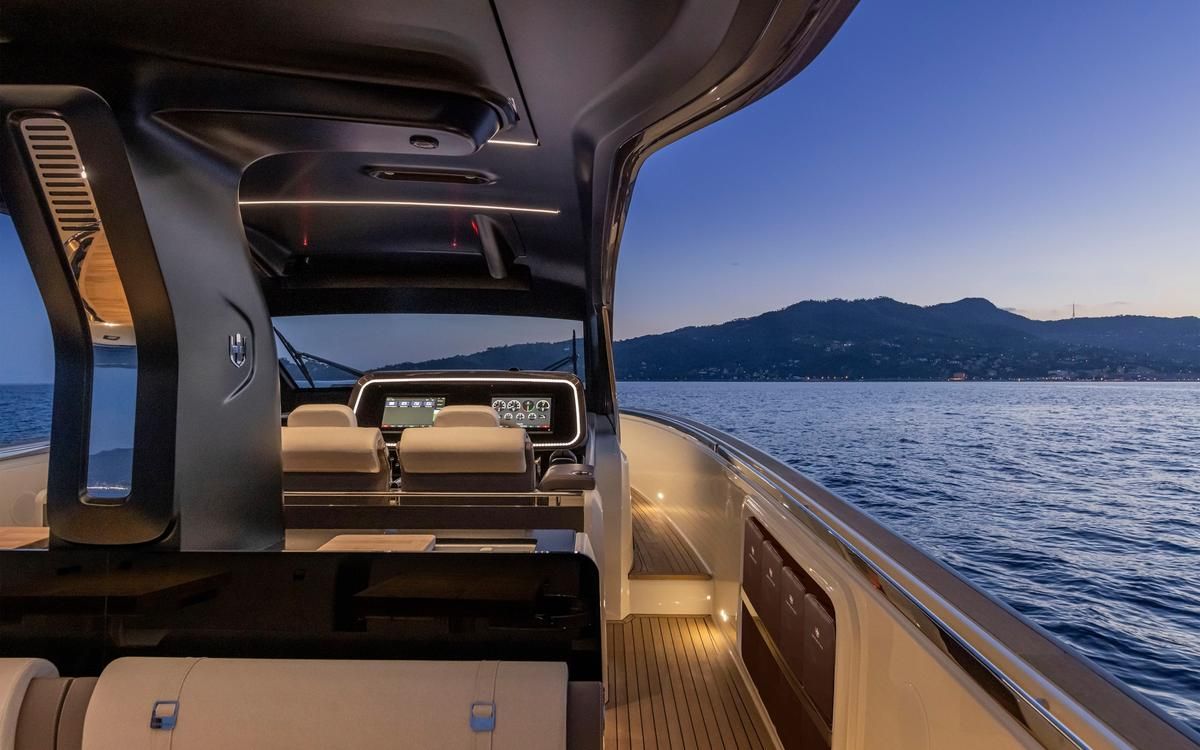
In the maritime industry, energy efficiency and component reliability are key factors. LED technology (Light Emitting Diodes) has transformed on-board lighting, transitioning from a secondary complement to becoming the standard of modern naval architecture.
Although its invention is usually attributed to the American industry in the sixties, the physical principle of the LED was first identified in 1907 by Henry J. Round at the Marconi laboratories. Subsequently, in 1927, Russian researcher Oleg Losev scientifically demonstrated the electroluminescent bases in gallium arsenide semiconductors.
Finally, in 1962, Nick Holonyak (General Electric) perfected and commercialized the first red light and low voltage diode, laying the foundation for contemporary commercial LED.
OPERATING PRINCIPLE AND TECHNICAL ADVANTAGES
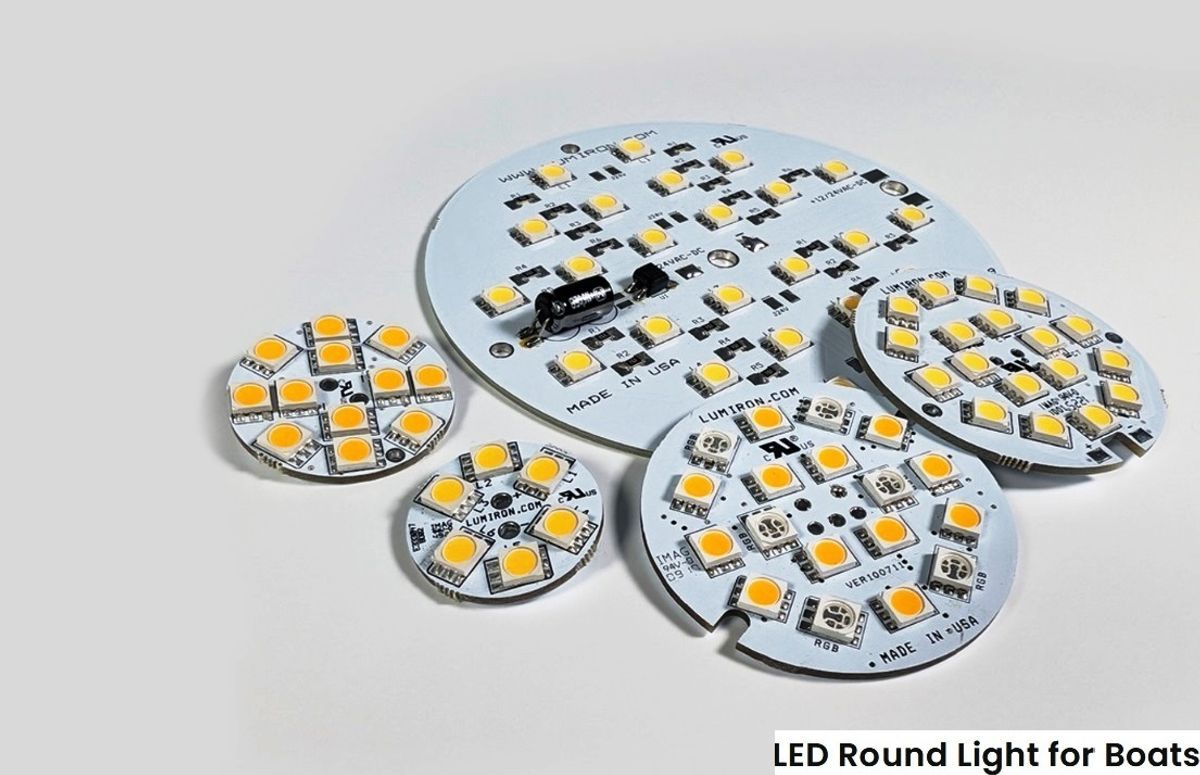
An LED is a solid-state semiconductor (Solid State Lighting) encapsulated in a highly resistant epoxy resin. When an external voltage is applied between the anode (+) and cathode (-), the electronic reaction releases energy in the form of photons in a single direction.
Unlike traditional sources (incandescent, halogen or fluorescent), the LED does not use fragile filaments, moving parts or mercury, offering concrete benefits:
Sealed structure: Maximum resistance to vibrations, impacts and the salinity of the marine environment. Consumption measured in milliamps: High energy efficiency that produces a higher ratio of lumens per watt (lm/W). Low thermal emissions: Transforms energy into light instead of heat, optimizing internal air conditioning. Extended service life: Estimated between 50,000 and 100,000 hours of continuous use.
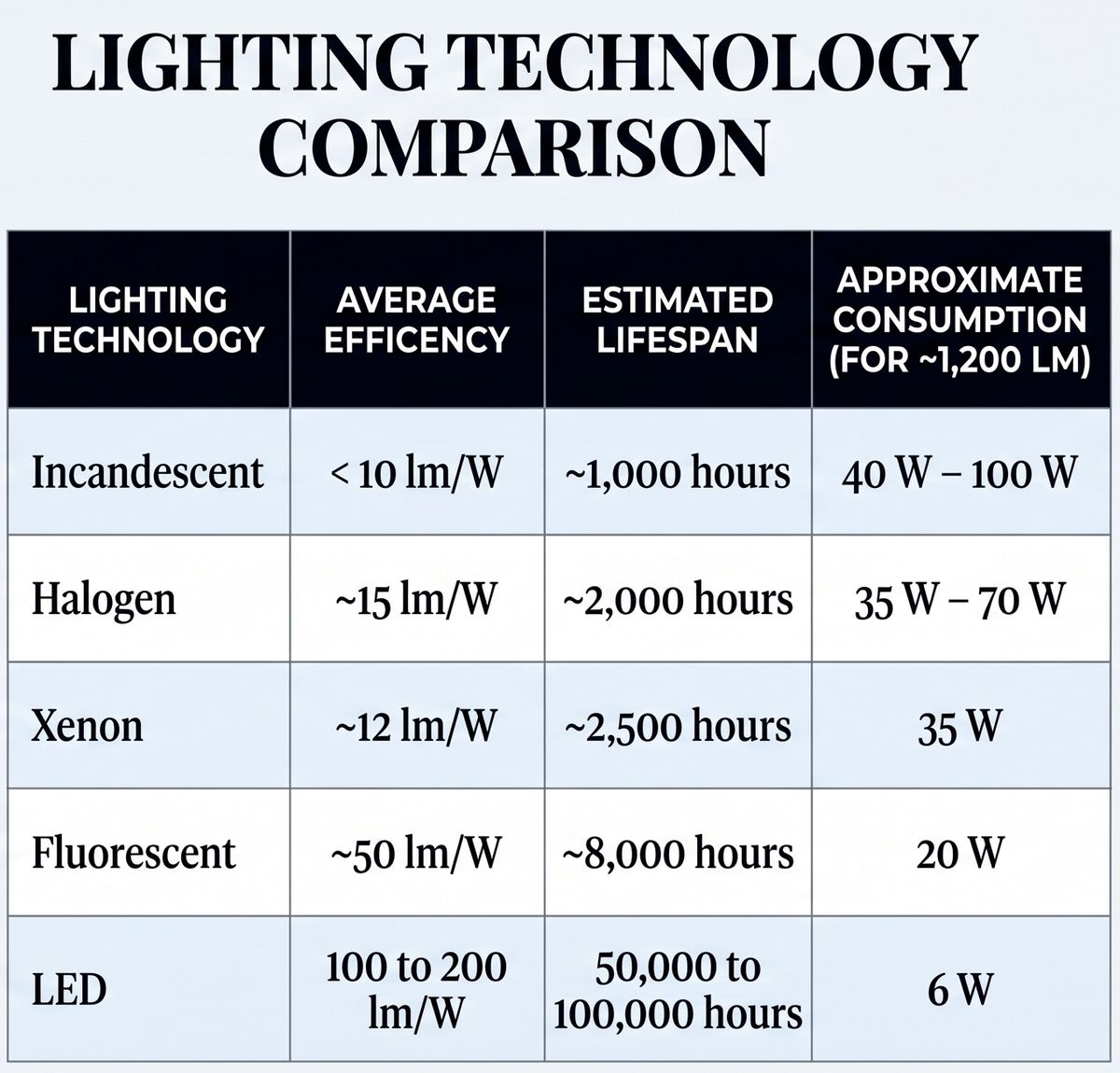
ENERGY PERFORMANCE AND EFFICIENCY COMPARISON
Luminous efficiency varies drastically depending on the technology used:
PRACTICAL APPLICATION IN SPORTS AND RECREATIONAL VESSELS
The proliferation of navigation consoles, multifunction displays, desalination, high-power sound equipment and bow thrusters constantly increases demand on the 12V/24V battery bank. Replacing traditional lights with LED technology alleviates the overall electrical load on the system, reserving battery capacity for critical ship equipment.
Currently, LED solutions are applied at various points on the vessel:
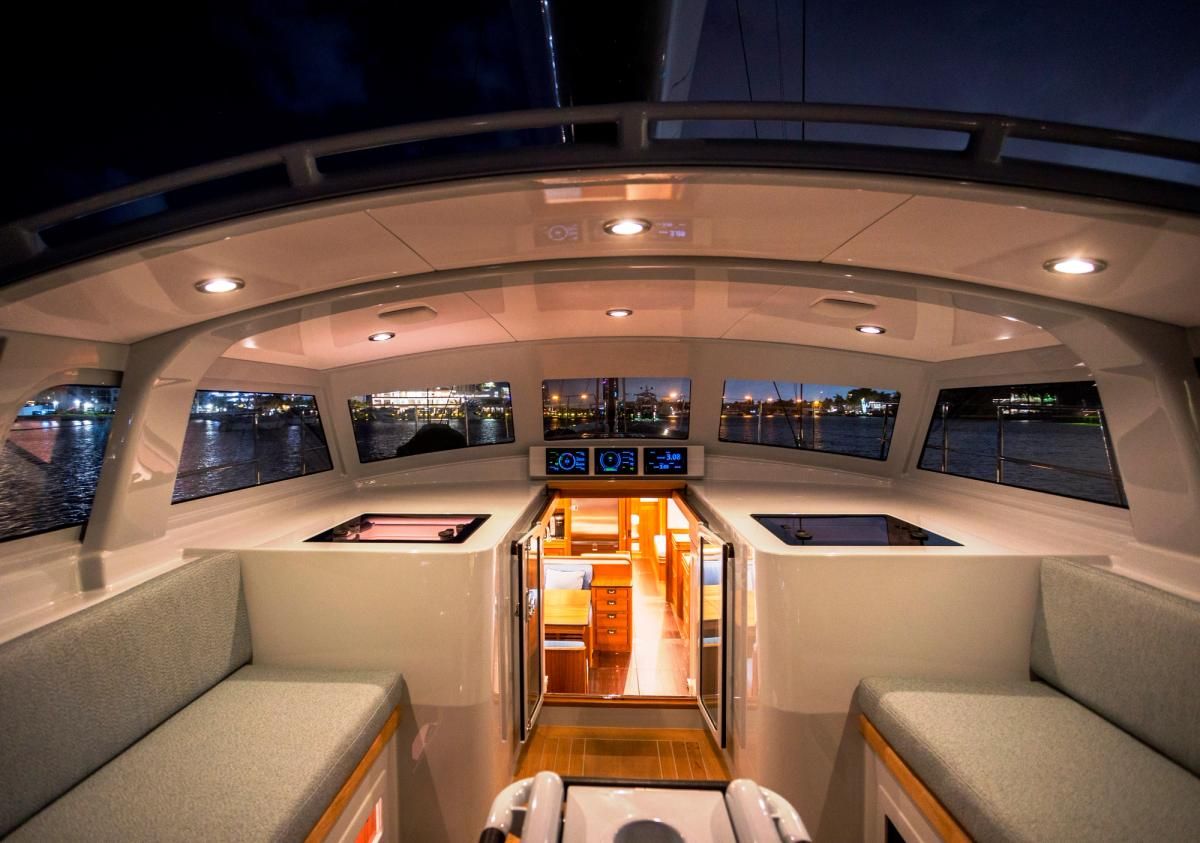
- Navigation and courtesy lights on deck, corridors and hardtops.
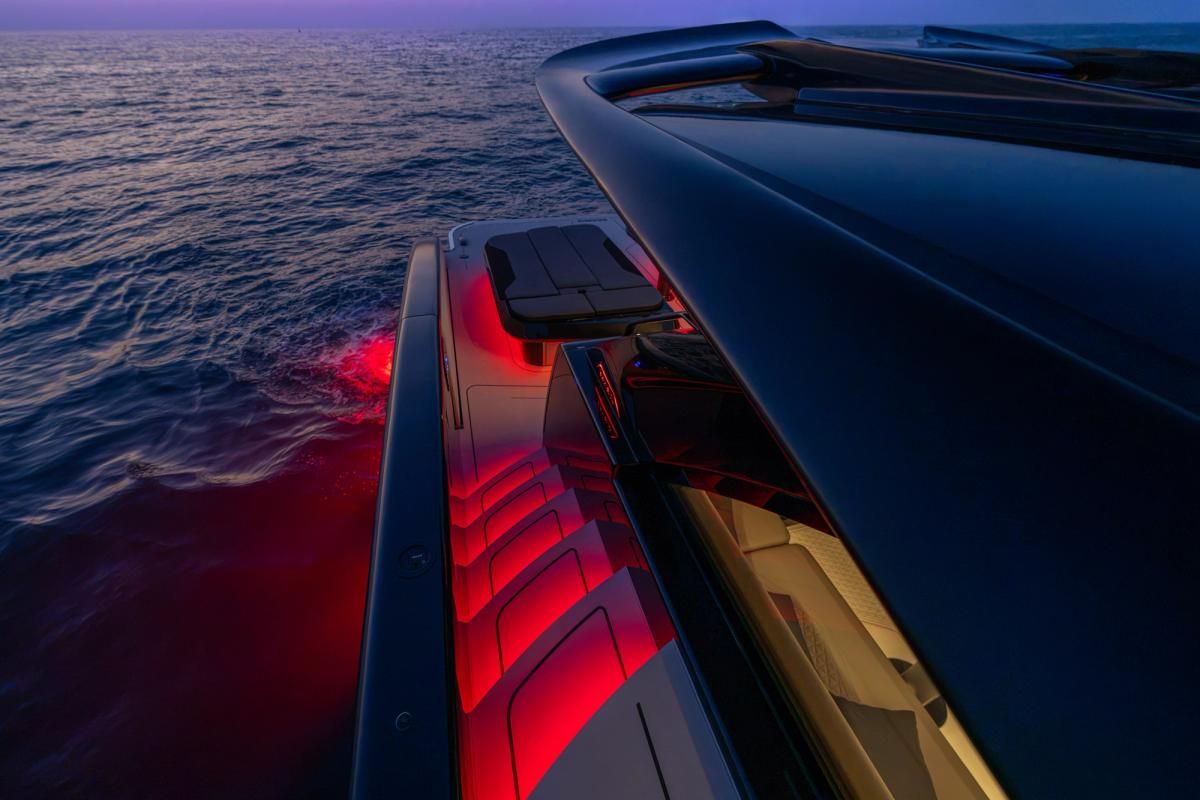
- High-intensity underwater lighting at the stern.
- Accent lights for command consoles, fish wells and engine rooms.
Beyond its lighting function, photodiode-based technology allows data transmission through fiber optics and its use as integrated sensors, opening new possibilities for communication and telemetry systems on board.
#OnBoardLighting #MaritimeLighting