

GOLDEN RULES FOR AVOIDING COLLISIONS AT SEA

Sailing is one of the most rewarding experiences in existence, but it demands as much passion as prudence. On the open sea, safety depends directly on the ability to anticipate risks, interpret the environment, and make timely decisions in the presence of other vessels.
The golden rule onboard is to always maintain an effective lookout. Neither fatigue nor seasickness justifies neglecting watchkeeping. Furthermore, every type of boat has blind spots that obscure areas of the horizon.
- Observation Principles: Even if the crew is busy in the cabin or rigging the sails, there must always be a dedicated lookout monitoring the bow, the stern, and the sides.
- Risk Assessment: All available means must be used to determine if a risk of collision exists. In case of the slightest doubt, it must be assumed that the risk exists.
HOW TO IDENTIFY A COLLISION COURSE
A risk of collision exists when the bearing of another vessel remains constant or varies minimally.
- Bearing Test: To check this without complex calculations, take a fixed element of your boat as a reference (such as a stanchion or stay). If the other vessel remains aligned with that point as both advance, you are on a collision course and must maneuver.
- Night Navigation: Navigation lights (green to starboard, red to port, and white stern or masthead lights) indicate the position and approximate course of the vessel.
MANEUVERS IN CRITICAL ZONES: CHANNELS AND DENSE TRAFFIC
The regulations establish clear maneuvering duties rather than rights-of-way. In case of doubt, your priority obligation is to act decisively to avoid an accident.
- Traffic Separation Schemes: Avoid areas of heavy commercial flow. If crossing them is unavoidable, do so on a heading as perpendicular as possible to the direction of traffic flow.
- Channel Navigation: In narrow channels, navigate on the starboard side. Keeping in mind that large tonnage vessels have limited maneuverability and require draft depth, recreational craft must keep clear to avoid obstructing their passage.
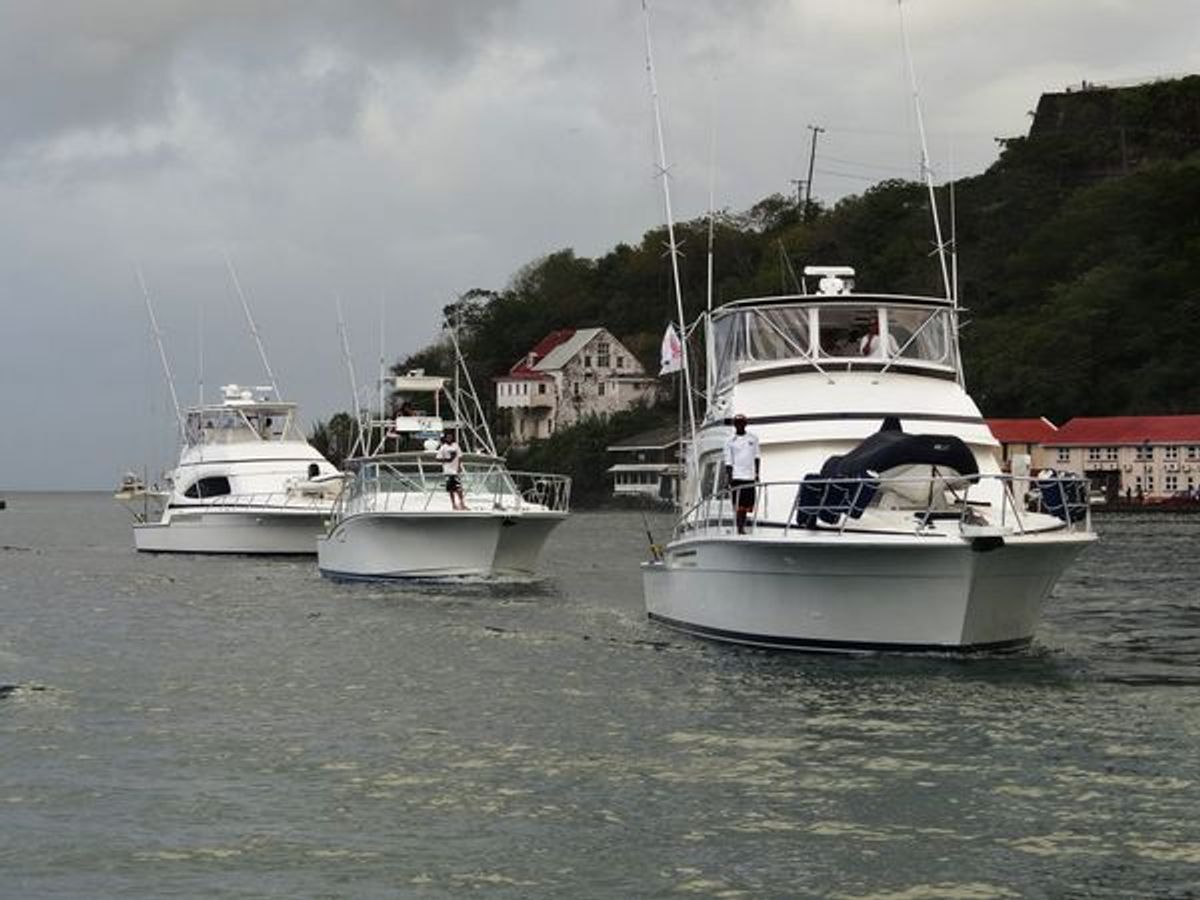
NAVIGATION WITH REDUCED VISIBILITY
Nighttime and fog complicate course estimation. To prevent accidents, reliance must be placed on technology and common sense:
- Radar and Reflectors: Large ships use radar constantly. A recreational boat should carry a good-sized radar reflector installed high enough to be visible.
- Sound Signals: They have limited range, especially against engine noise or bridge insulation. They alert to presence, but not to distance or heading.
- Defensive Navigation: When facing large vessels, the best strategy for a recreational boat is to maneuver clearly and well in advance. If necessary, indicate your presence using searchlights directed toward their bridge or emergency lights.
SUMMARY OF RIGHT-OF-WAY PRIORITIES AND STEERING RULES
Power-driven vessels must yield the right-of-way to:
- Any vessel they are overtaking.
- Power-driven vessels approaching from their starboard sector (112.5°).
- Sailing vessels and vessels restricted in their ability to maneuver (marked with balls, cones, or stacked lights).
- In head-on crossing situations (opposite courses): Both vessels shall alter course to starboard to pass port-to-port.
Sailing vessels must yield the right-of-way to:
- Any vessel they are overtaking.
- When sailing tacking on starboard: to other vessels on starboard tack that are to windward.
- When sailing tacking on port: to any sailing vessel on starboard tack.
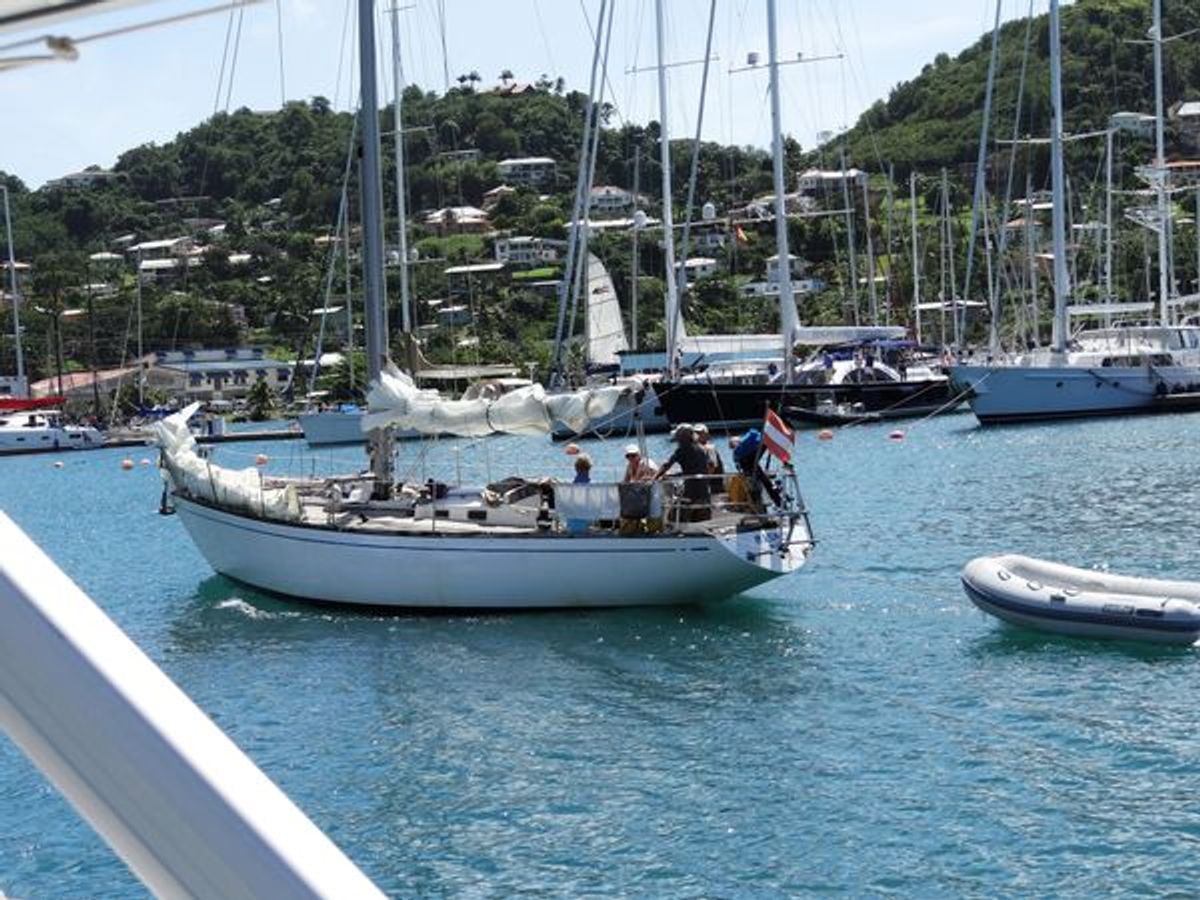
Universal rule for every maneuver: When altering course to avoid a collision, the maneuver must be performed with sufficient anticipation and in a clear manner, always aiming to pass astern (behind) the other vessel and never across its bow.
#NauticalSafety #SafeNavigation #NavigationRules