

FAMILY FISHING: HOW TO GET STARTED WITH THE LITTLE ONES

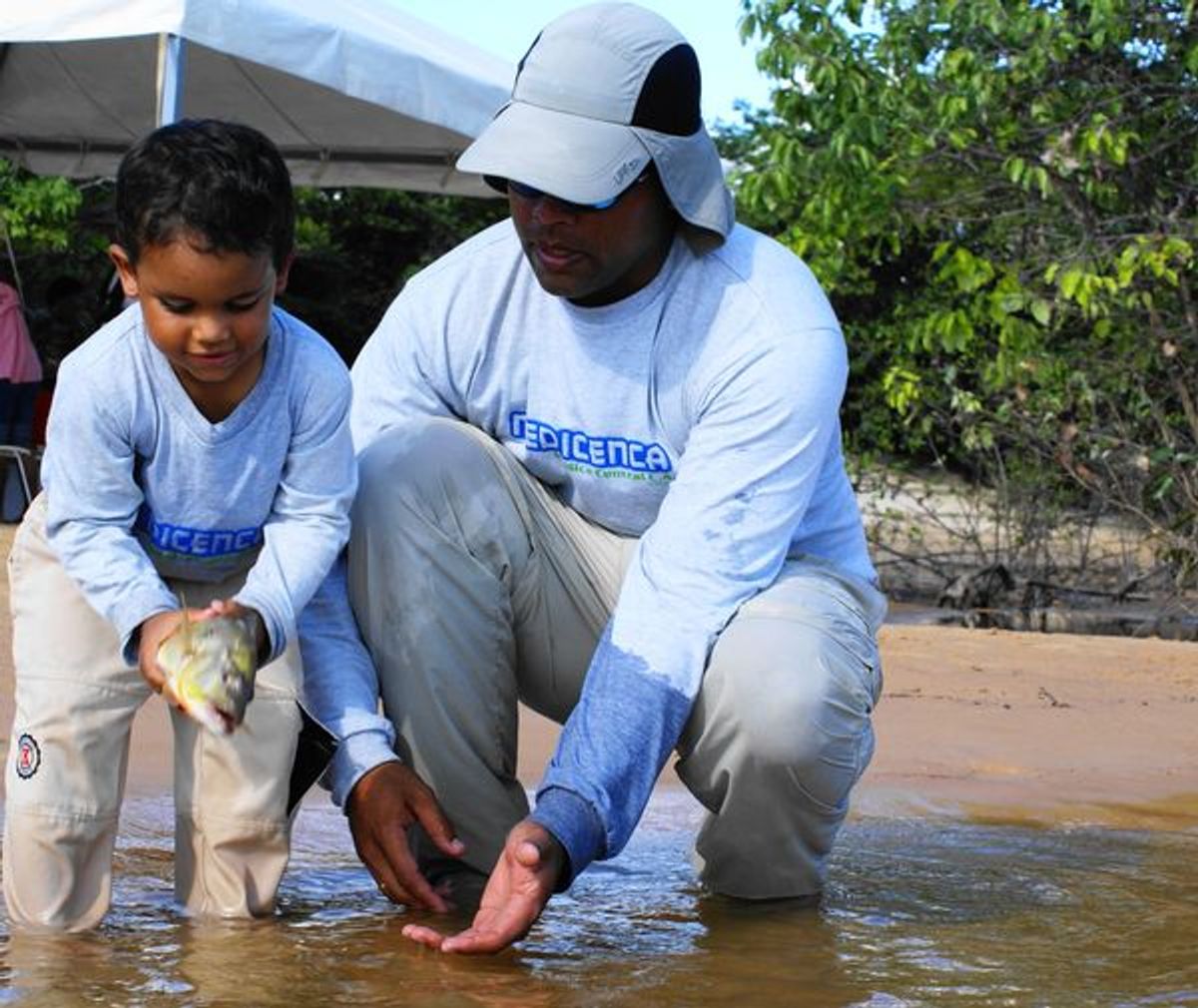
Going fishing with your children is one of the best ways to connect with them and get them away from their phone screens for a while. While casting the rod, reeling in the line, and enjoying the outdoors, they learn fundamental values such as patience, respect for nature, and perseverance. Plus, with a little luck, they can bring home the catch of the day for dinner!
The best part? You don't need expensive equipment or to be an experienced angler. In an increasingly technological world, the simplicity of fishing remains its greatest appeal, especially for kids. All you need is an age-appropriate rod and reel, simple bait, and the desire to have fun.
THE RIGHT EQUIPMENT
To start, spinning equipment is ideal. These rods and reels are extremely easy to use; even a six-year-old can master them quickly. Unlike push-button or spincast reels (which often tangle or break easily), spinning gear is durable and reliable. In any specialty shop or department store, you will find ready-to-use combos at affordable prices.
When choosing a rod, opt for a short model. This is vital for safety reasons: kids tend to cast the hook enthusiastically without paying attention to their surroundings. A short rod reduces the risk radius.
- Children aged 5 and older: Rods from 1.5 to 1.8 meters (5 to 6 feet).
- Children under 5: Rods from 1.2 to 1.4 meters (4 to 4.5 feet).
Tip: Let them practice casting in the backyard or park using rubber weights before heading to the water.
Recommended Line Strength
- Small fish (up to 0.5 kg / 1 lb): 8 lb test line.
- Medium fish (1 to 2.5 kg / 2 to 5 lb): 10 lb test line.
- Large fish (2.5 to 5 kg / 5 to 10 lb): 12 to 20 lb test line.
There is no need to invest in high-end gear. Since children are often careless with their belongings, starting with affordable, durable equipment is the wisest choice.
ESSENTIAL: THE CLINCH KNOT
You only need to master one basic, yet extremely secure knot:
- Thread the line through the eye of the hook or lure and wrap it around the standing line 5 to 6 times.
- Pass the free end of the line through the first loop formed next to the eye of the hook.
- Pass the end back through the large loop you just created.
- Slightly moisten the line and pull firmly on the end and the main line to tighten.
Fisherman's Trick: Moistening the knot with a little saliva before tightening helps lubricate the line, preventing it from weakening due to friction.
CHOOSING THE BAIT
For the first outings, live bait is the best option: it is effective, easy to rig, and immediately catches the attention of fish. You can include the kids in the collection process by searching for worms under rocks, clams in the sand, or catching shrimp with a small dip net. This turns the day into a complete adventure.
If you prefer greater convenience, artificial baits or soft lures are also valid alternatives.
START WITH SIMPLE CATCHES
Don't aim for a trophy on the first trip. Kids love action; catching several small 15-centimeter fish will keep their interest alive.
- In freshwater: Set the bait at a depth between 50 cm and 1 meter under a bobber or float. Use worms or pieces of bait well secured to the hook. For bottom species like catfish, remove the float and let the bait rest on the bottom.
- In saltwater: Use a bottom rig with two hooks, a sinker suitable for the current, and fresh bait (shrimp or sea worm).
If you have questions about local species or techniques, ask at the local tackle shop or talk to experienced anglers in the area; their advice will save you time and ensure a successful day.
If you don't have your own boat for the first trip, consider booking a guided excursion or hiring a local charter for a coastal tour. Once you become familiar with the dynamics, you'll be ready to plan your own trips from the shore, docks, or bridges.
#FamilyFishing #FamilyTime #DisconnectToReconnect