

"DIESEL BUG": HOW TO COMBAT MICROBIAL CONTAMINATION IN MARINE ENGINES

Degraded fuel and the proliferation of bacteria are the invisible enemies of any vessel. Discover how to identify the symptoms of a contaminated tank, how to prevent bacterial sludge, and what the best strategies are to keep your injection system spotless.
When an engine stops suddenly, the natural tendency is to look for complex faults in the circuit or proceed with exhaustive bleeding. However, before undertaking complicated tasks, it is essential to analyze the condition of the fuel. In the marine environment, one of the most common and least obvious causes is colonies of microorganisms.
THE PROBLEM: MICROBES AND SLUDGE IN THE TANK
Life adapts to extreme conditions, and there are about thirty species of bacteria capable of thriving in diesel fuel. These microorganisms do not inhabit pure fuel, but rather the condensed water at the bottom of the tank, feeding at the interface where water and diesel separate.
This proliferation, popularly known as the "diesel bug," generates a mucous substance or sludge that causes serious problems:
- Clogs: They form dense colonies that plug filters and fuel supply lines.
- Corrosion: They generate acids that accelerate the degradation of tank walls.
- Degradation: They literally "consume" the fuel, altering its chemical properties.
WARNING SIGNS: IS YOUR ENGINE "INFECTED"?
It is vital to recognize the symptoms before a total breakdown occurs at sea. Pay attention if you notice that:
- The engine exhibits an unstable idle (it seems to "cough").
- Exhaust gases emit excessive smoke.
- The engine has lost power or does not rev up as smoothly as usual.
- Starting is difficult or the engine shuts off with no apparent mechanical cause.
- Inspecting the fuel reveals filaments similar to algae.
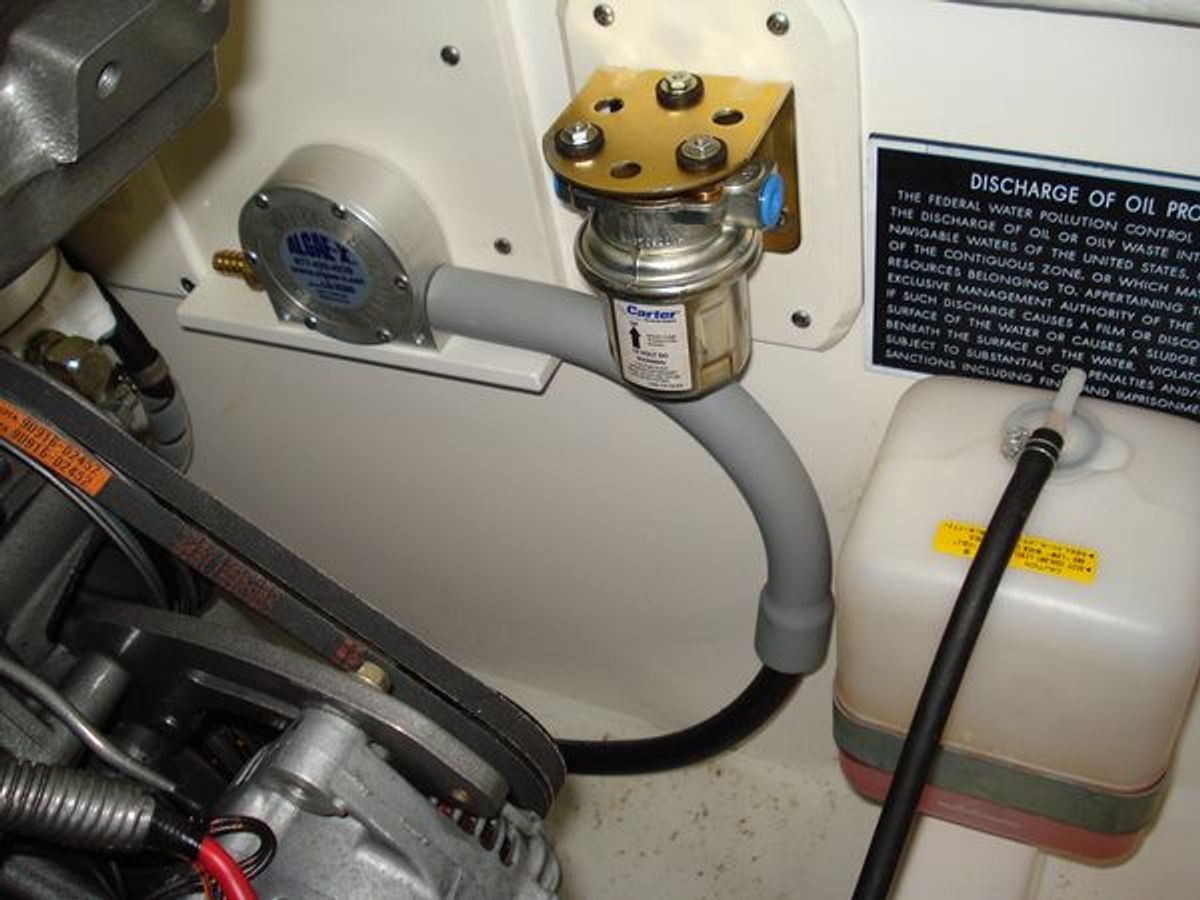
PREVENTION AND MAINTENANCE GUIDE
Prevention is the most economical and effective tool to ensure machine operability.
Tank Management
- Avoid condensation: Keep the tank as full as possible. This reduces air volume and, therefore, the surface area where water condensation occurs.
- Critical levels: Try not to let the fuel drop below half a tank, and avoid reaching the reserve level, as impurities settled at the bottom could clog the filters.
- Thermal control: Heat accelerates bacterial proliferation. Protect the tank from direct sunlight whenever possible.
Equipment and Additives
- Water separator pre-filters: These are essential for removing free water resulting from temperature changes.
- Use of biocides: If you doubt the quality of the refueled fuel, use preventive bactericidal products.
- Refueling care: Avoid service stations that have very low fuel levels in their tanks, as they usually contain higher concentrations of condensation water.
- Materials: Be especially careful with metal tanks, which are more prone to condensation and galvanic corrosion. In these cases, rely on specific additives and qualified personnel.
FILTRATION SYSTEMS AND CLEANING
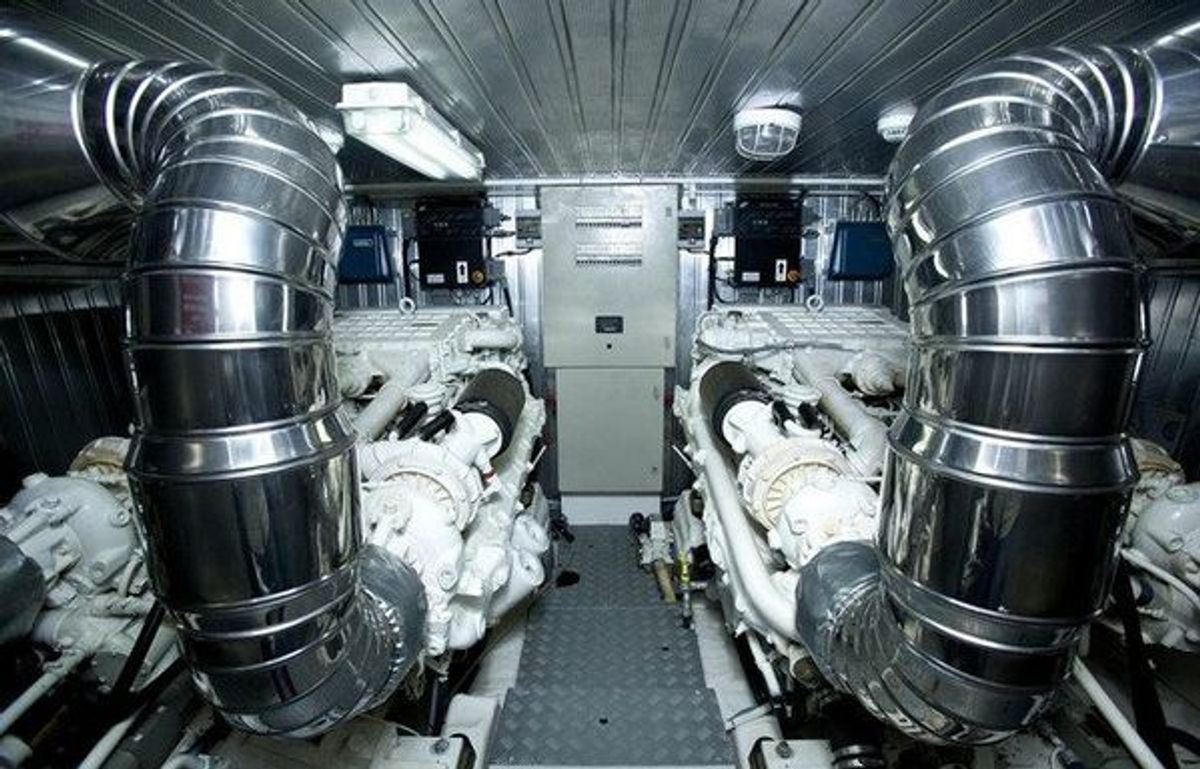
The standard filtering system usually consists of two stages: a water separator filter (for water) and a final filter before the injectors (for solid impurities). Both should be changed according to the manufacturer's manual or immediately after low-quality refueling.
For more complex or preventive cases, advanced alternatives exist:
- Magnetic Systems: They use magnetic induction to alter the electrical balance of the bacteria's cell membrane, eliminating them as fuel passes through the magnetic chamber.
- Water Eliminators: Devices with special polymers that absorb water without affecting the fuel, functioning like a "dialysis" process.
- Deep Cleaning: Depending on the installation, a complete tank cleaning is recommended every 5 to 7 years (especially in stainless steel).
THE DANGER OF "DARK FUEL" AND DEGRADATION
Diesel color can vary depending on refining, but a pronounced darkening is a sign of advanced oxidation and emulsified water. Even if the engine can keep running, dark fuel reduces performance and shortens component lifespan.
Furthermore, the engine's recirculation process (where excess fuel returns hot to the tank) contributes to the formation of asphaltenes and solid lumps. These sediments do not burn completely and form part of the sludge that ends up clogging filters.
Remember: Filters and centrifuges remove inorganic particles (sand, rust), but they cannot clean sludge attached to tank walls or stop the chemical decomposition of fuel. A preventive maintenance plan is the only guarantee to extend the life of your injection system and maintain your engine's original performance.