

CARIBBEAN REEFS ON THE BRINK OF COLLAPSE: HOW MARINE SCIENCE IS TRYING TO SAVE THEM

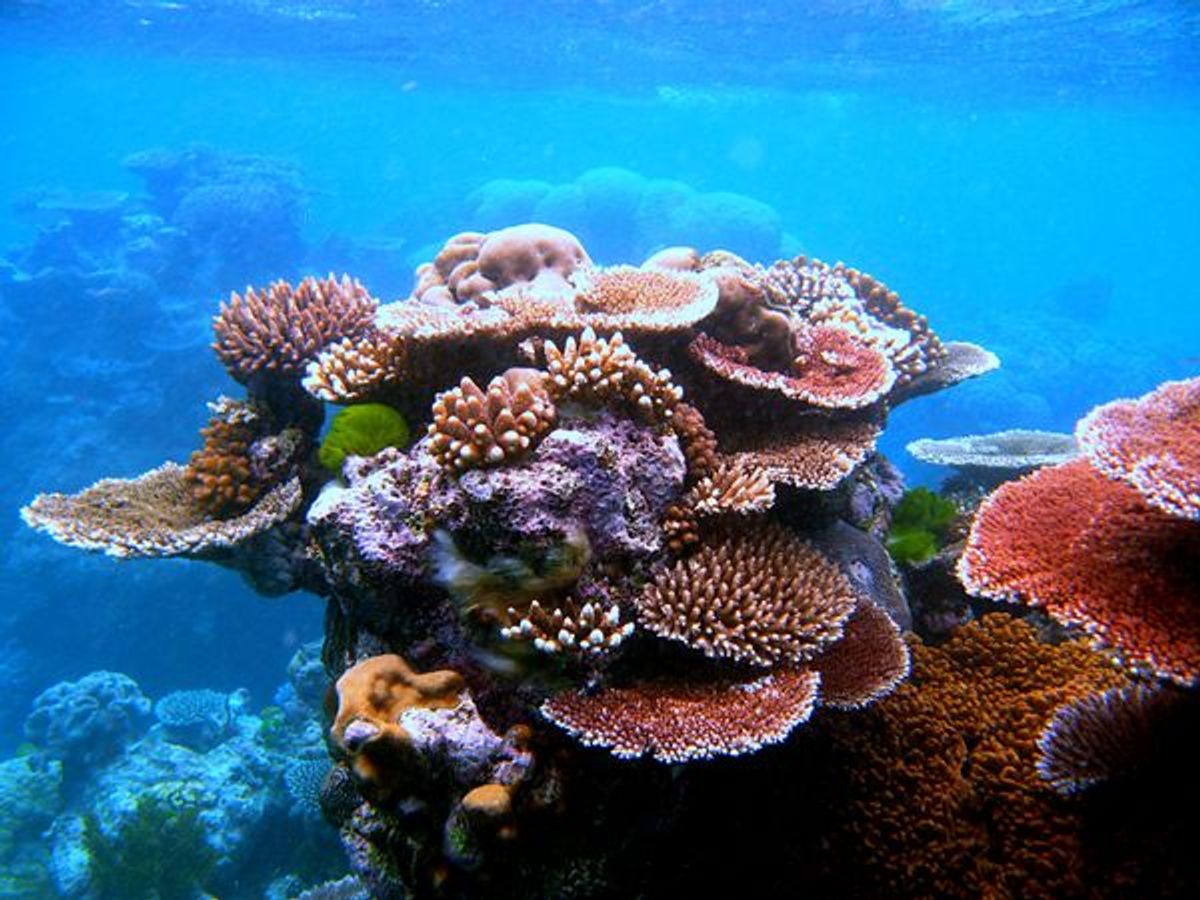
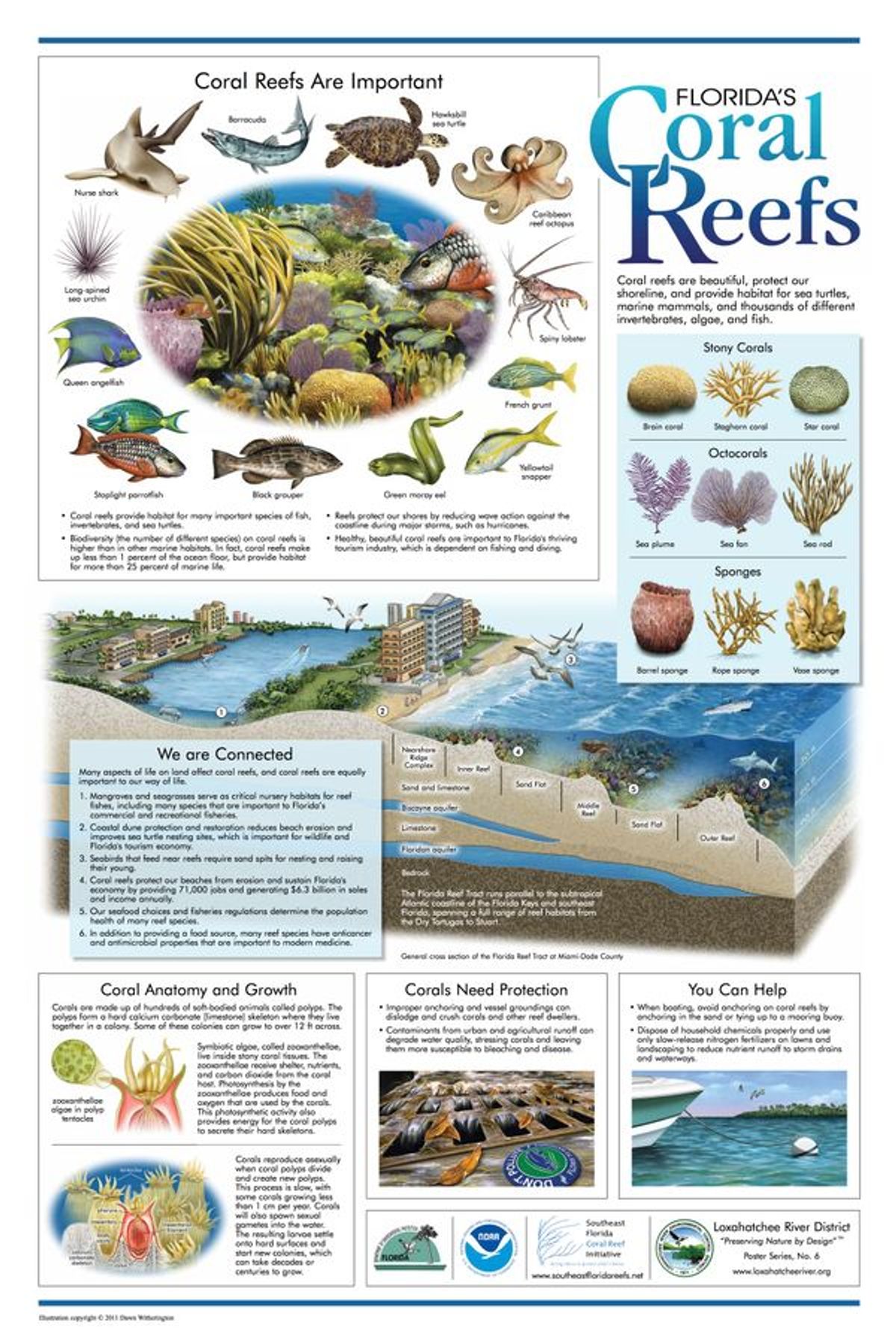
The coral reefs of the Caribbean Sea are facing an unprecedented ecological crisis. This vital ecosystem, which harbors nearly 10% of global marine biodiversity and protects coasts from erosion and hurricanes, has experienced a drastic loss of live coral cover. The causes are complex: ranging from global warming to local pollution and overfishing.
DIAGNOSIS OF THE CURRENT STATE: MULTIPLE THREATS
Thermal stress and bleaching: Marine heatwaves are becoming increasingly frequent and intense. Sustained rises in water temperature force corals to expel zooxanthellae—the symbiotic algae that provide them with food and color. If the stress persists for more than a few weeks, the coral tissue dies of starvation.
Stony Coral Tissue Loss Disease (SCTLD): Identified in 2014 and spreading rapidly throughout the Greater Caribbean, this epidemic affects over 30 species of reef-building corals. Its mortality rate is extraordinarily high, consuming coral tissue within days or weeks.
Ecological imbalance and algal proliferation: Overfishing of herbivorous species (such as parrotfish), combined with nutrient runoff from wastewater, has led to macroalgal dominance. These marine plants grow rapidly over the rocky substrate, preventing new coral larvae from settling and thriving.
FROM PASSIVE PROTECTION TO ACTIVE RESTORATION
In the face of this degradation, marine science has evolved from defensive strategies (solely creating protected areas) toward active restoration techniques that combine biotechnology and environmental engineering:
Coral tree nurseries: Floating PVC structures shaped like trees are installed and anchored to the seabed in protected areas. Branching coral fragments (Acropora palmata and Acropora cervicornis) are hung from them. Suspended in the water column, they receive uniform sunlight and remain safe from predators, accelerating their growth rate by 3 to 4 times compared to the natural reef before being outplanted.
Microfragmentation and fusion: A specialized technique for massive or slow-growing corals (brain coral, star coral). Using high-precision diamond saws, a colony is cut into tiny fragments measuring just a few millimeters. This process stimulates rapid healing. When fragments from the same individual touch, they fuse together to form a large colony in a matter of months—a process that would take decades in nature.
Assisted reproduction and genetic selection: During annual mass spawning events (usually following late-summer full moons), scientists collect gametes from corals that survived heatwaves or diseases. After achieving fertilization in the laboratory, millions of larvae selected for higher thermal resilience are reared and released onto settlement structures to repopulate affected areas.
Artificial and smart reefs: Submerged structures made of neutral materials (low-pH marine concrete or clay mixtures) are deployed to restore the physical complexity of the habitat. Many projects integrate electrodeposition systems—very low-voltage electric currents that accelerate calcium carbonate precipitation, enabling corals to calcify their skeletons with lower energy expenditure.
A CONDITIONAL HOPE
Although restoration techniques are making significant progress on a local scale, scientists warn that these initiatives will only be effective long-term if combined with global climate change mitigation measures and strict management of coastal water quality. Without addressing the root causes, restoration will remain a race against time.
OPEN-ACCESS PLATFORMS TO EXPAND KNOWLEDGE
To access updated articles, field reports, and open-access publications on Caribbean marine health:
- Global Coral Reef Monitoring Network (GCRMN): Publishes open-access regional reports on the status of reefs worldwide and in the Greater Caribbean.
- Healthy Reefs for Healthy People (HRI): Produces reef health report cards for the Mesoamerican Reef (Mexico, Belize, Guatemala, and Honduras) written in accessible language for the general public.
- ICRI (International Coral Reef Initiative): Outreach documents, fact sheets, and regional conservation strategies.
- NOAA Coral Reef Watch: Real-time satellite monitoring of thermal stress and bleaching alerts for the Caribbean Basin.
#CoralReefs #MarineConservation #CaribbeanSea #MarineScience #CoralRestoration